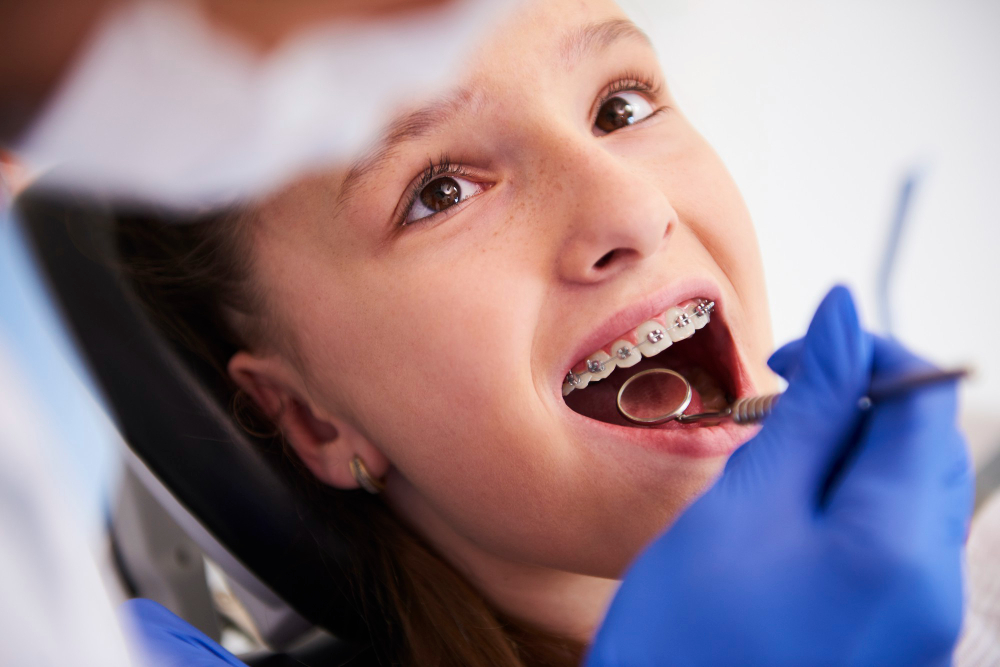
What does getting braces feel like?
Getting braces applied does not cause immediate pain. However, most Canadian patients report mild to moderate soreness and pressure for 3 to 7 days as the teeth begin to shift. This discomfort is a normal inflammatory response and can be managed with home care and over-the-counter options.
The braces pain timeline: day 1 to day 7
If you’ve just scheduled your orthodontic appointment, here’s what actually happens — not in theory, but in real life.
Placement day
- No pain during the procedure — orthodontists in Canada use gentle techniques and modern bonding systems
- A feeling of tightness or pressure begins a few hours later
- Lips and cheeks may feel unfamiliar against brackets
The first 72 hours
- Peak sensitivity — especially when chewing
- Teeth may feel slightly loose or tender — this is expected
- Mild headaches or jaw fatigue may occur
- Speaking and eating feel “different” but quickly improve
Days 4 to 7
- Discomfort gradually fades
- Mouth tissues begin adapting to brackets and wires
- Eating becomes easier with soft foods
Monthly adjustments
- Short-term soreness returns for 24 to 48 hours
- Usually less intense than the first week
- Indicates active tooth movement
Pain is not a sign something is wrong — it’s a sign your treatment is working.

Why do teeth hurt during orthodontic treatment?
Let’s go deeper — because understanding reduces anxiety.
The role of the periodontal ligament
The periodontal ligament is a soft connective tissue that anchors each tooth to the surrounding bone.
When braces apply force:
- Blood flow temporarily changes in this ligament
- Inflammatory mediators are released
- Bone remodeling begins — this is how teeth move
This biological process is called controlled inflammation — and it’s essential for correcting malocclusion, meaning improper alignment of teeth.
Interaction with oral tissues
Brackets and wires can:
- Rub against the inner cheeks and lips
- Cause minor irritation or small ulcers
- Trigger sensitivity in the first week
The good news — your mouth adapts surprisingly fast. Most irritation disappears within days.
6 safe ways to manage braces pain in Canada
You don’t need to “just put up with it”. There are clinically supported, Health Canada-aligned ways to stay comfortable.
1. Over-the-counter analgesics
- Acetaminophen, known as Tylenol in Canada, is commonly recommended
- Ibuprofen, such as Advil or Motrin, reduces inflammation
- Always follow dosage instructions on Health Canada-approved labels
2. Orthodontic wax
- A simple but powerful solution
- Creates a protective barrier between brackets and soft tissues
- Especially useful for sharp wires or new appliances
3. Saltwater rinse
- Warm saltwater helps reduce inflammation and supports healing
- Use one teaspoon of salt in a glass of warm water
- Rinse gently several times a day
4. Cold therapy
- Cold reduces swelling and numbs discomfort
- Drink cold water or apply a cold compress externally
- Especially effective in the first 48 hours
5. Soft food diet
During the first days, choose foods that don’t require pressure:
- Oatmeal
- Yogurt
- Mashed potatoes
- Scrambled eggs
- Smooth soups
This is not a restriction — it’s a recovery strategy.
6. Topical anesthetics
- Oral numbing gels available in Canadian pharmacies
- Provide localized relief for sore spots
- Useful before meals or sleep
Comparing discomfort: metal braces vs. ceramic vs. invisalign
Not all orthodontic systems feel the same — and patients often ask this before choosing treatment.
Traditional metal braces
- Strongest force application
- More noticeable pressure after adjustments
- Higher chance of irritation from brackets
Ceramic braces
- Similar mechanics but smoother surface
- Slightly less irritation for some patients
- Aesthetic advantage
Invisalign aligners
- No metal components
- Less soft tissue irritation
- Pressure is more evenly distributed
However — aligners still cause discomfort when switching trays. Movement always equals sensation.
When to contact your canadian orthodontist
Here’s where clinical judgment matters. Not all pain is “normal”.
Contact your orthodontist if you experience:
- A wire poking that cannot be covered with wax
- Severe or worsening pain not relieved by analgesics
- Swelling, infection signs, or fever
- Allergic reactions to materials — rare, but possible
Canadian orthodontic practices follow strict care standards — never hesitate to call. Early intervention prevents complications.
Common questions from Canadian patients
Does tightening braces hurt every time?
Not exactly. Most patients feel mild pressure for 1 to 2 days after adjustments, but it becomes more manageable over time.
Can I go to school or work after getting braces?
Yes — absolutely. You may feel some discomfort, but it does not limit daily activities. Many patients return to normal routines the same day.
Are there foods I should avoid to prevent pain?
Yes — avoid hard, sticky, or crunchy foods such as nuts, caramel, or raw carrots. These can increase discomfort and damage brackets.
A final word — what patients often realize too late
Here’s the truth most orthodontists wish patients understood earlier:
The discomfort is temporary. The result is permanent.
Those few days of sensitivity are part of a controlled, medically guided transformation — one that improves not only your smile, but your oral health long-term.
Straight teeth are easier to clean. They reduce the risk of gum disease. They improve bite function. And yes — they change how you feel about yourself.
If you’re hesitating because of pain, remember this:
it’s not pain you’re choosing — it’s progress.
Medical disclaimer
This content is based on guidelines aligned with Health Canada and the Canadian Dental Association. It is intended for educational purposes only and should be reviewed by a licensed Canadian dentist or orthodontist before clinical decision-making.
Additional sources
To ensure accuracy and alignment with Canadian medical standards, the information in this article is supported by the following authoritative sources:
- Health Canada— official guidance on safe use of over-the-counter analgesics and oral health products
- Canadian Dental Association (CDA) — national standards for dental care, orthodontic treatment, and patient education
- American Association of Orthodontists (AAO) — globally recognized clinical insights into orthodontic treatment and patient care