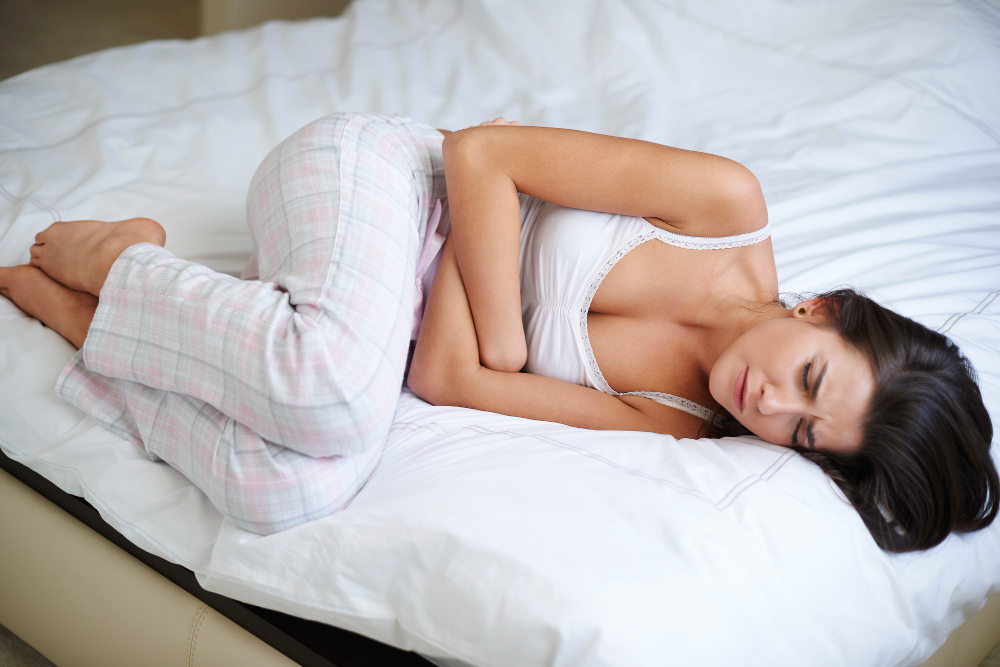
You know that feeling — a heavy, burning ache sitting right under your ribs. Maybe it shows up after a meal, or maybe it’s just there when you wake up. You try to brush it off, thinking it’s probably just something I ate. But then it doesn’t go away.
That’s when worry sets in.
Pain in the upper belly — what doctors call upper abdominal or epigastric pain — is one of those symptoms that can mean a hundred different things. Sometimes it’s mild, just acid irritation. Other times it’s your body’s way of saying, “Hey, this could be serious.”
So, what does upper belly pain usually mean?
Most of the time, it comes from the digestive system — your stomach, esophagus, or gallbladder acting up.
Here are the three most common culprits:
- Heartburn or acid reflux (GERD): A fiery burn that creeps up after dinner or when you lie down.
- Gastritis: A slow, nagging ache from an inflamed stomach lining — it loves stress and coffee.
- Indigestion: That stuffed, uncomfortable “I shouldn’t have had seconds” kind of pain that fades on its own.
But — and this is important — not every upper belly pain is “just digestion.” Sometimes it’s your heart, your liver, or your pancreas waving a red flag.
The geography of your gut
Here’s a quick roadmap doctors use:
| Where it hurts | What’s there | What might be wrong |
|---|---|---|
| Middle, between ribs (epigastric area) | Stomach, pancreas, heart | Reflux, ulcer, heart attack |
| Right side under ribs | Liver, gallbladder | Gallstones, hepatitis |
| Left side under ribs | Stomach, spleen | Gastritis, infection |
And the type of pain helps too:
- A burning pain usually points to reflux or ulcer.
- A sharp jab after a greasy meal? Gallbladder.
- A deep ache that travels to your back? Could be pancreas.
Everyday reasons that usually aren’t dangerous
Acid reflux (GERD)
It’s that classic burning that starts after pizza or coffee. Stomach acid splashes up into the esophagus, leaving you with a sour taste or even a cough at night.
What helps most Canadians:
- Eat smaller meals and skip the late-night snacks.
- Sleep with your head slightly raised.
- Go easy on caffeine, alcohol, and spicy food.
- Try an over-the-counter acid reducer for a week or two — if it keeps coming back, see your doctor.
Gastritis
If your stomach lining is inflamed, it’ll let you know. You’ll feel dull pain, bloating, maybe nausea. Sometimes it’s caused by a tiny bacteria called H. pylori, other times by painkillers or stress.
Your doctor might order a breath test or stool test for infection. The fix often involves acid-lowering meds, gentle eating, and ditching alcohol for a while.
Indigestion (Dyspepsia)
We’ve all had it — that heavy, tight feeling after eating too fast. It’s usually harmless. But if it’s happening every week or affecting your appetite, it’s time for a proper checkup.
Peptic ulcers
Ulcers are small open sores inside the stomach. They cause a gnawing pain that eases after you eat, then creeps back later. They’re often linked to H. pylori, smoking, or long-term ibuprofen use.
Untreated, they can bleed or even perforate, which is as bad as it sounds — and a full-blown emergency.
Gallstones
If the pain sits under your right ribs and hits after fatty food — maybe radiating to your shoulder — your gallbladder could be the problem. When gallstones block the duct, the pain is sharp, unrelenting, and sometimes comes with vomiting or fever. That’s an ER trip moment.
Pancreatitis
Now, this one’s serious. The pain is deep and brutal, often radiating straight through to your back. It doesn’t fade — it builds. You’ll probably feel sick, sweaty, and weak.
Call 911 or go to emergency immediately.
Here’s the tricky part: the heart can masquerade as stomach trouble. Especially in women and older adults, a heart attack might feel like upper belly pressure, shortness of breath, or nausea — not chest pain.
When in doubt, don’t guess. Call 911.

Red flags: when to act fast
You need immediate help if you have:
- Pain that’s sudden, severe, or spreading to the chest or back.
- Vomiting blood or passing black stools.
- Yellow eyes or skin (jaundice).
- Fever or shaking chills with belly pain.
- Fainting, weakness, or confusion.
If you’re in Canada — dial 911 or head to the nearest emergency department. Better safe than sorry.
How Canadian doctors check it out
Here’s what usually happens at your visit:
- Your doctor listens to your story and examines your belly.
- Bloodwork checks for liver or pancreas problems.
- Ultrasound looks for gallstones.
- Endoscopy checks for ulcers or inflammation.
- ECG rules out heart causes.
And don’t worry — if you live in a rural area or small town, these tests are often done through community clinics or regional hospitals, all covered by your provincial plan.
Treatment — and what you can do now
The good news? Most causes of upper belly pain are treatable.
- Reflux and gastritis: Eat light, avoid irritants, and give your stomach time to heal.
- Ulcers: Antibiotics and acid blockers work wonders when taken properly.
- Gallstones: Surgery is often simple and fast these days.
- Pancreatitis or heart issues: These belong in hospital care — don’t wait it out.
At home, choose easy foods — oatmeal, bananas, rice, soups — and skip alcohol and NSAIDs until your doctor clears you.
When to see a doctor (non-urgent)
Book an appointment soon if:
- Pain lasts more than a week or keeps returning.
- You’ve lost weight without trying.
- You have trouble swallowing or your appetite’s gone.
- Pain meds only help for a short while.
Chronic discomfort deserves attention — not because it’s always dangerous, but because you deserve to feel normal again.
Real Cases from Canadian Medical Practice
Case 1. The “Simple Heartburn” That Wasn’t
A 56-year-old man from Calgary came to the emergency department late at night thinking he had bad acid reflux. He’d taken antacids all week with little relief. The triage nurse noticed he looked pale and sweaty. An ECG revealed a silent heart attack — his only symptom was upper belly pressure. He was treated immediately, and doctors later said his quick decision to come in probably saved his life.
Case 2. The Hidden Gallstones
A young nurse from Ottawa complained of sharp pain under her right ribs every time she ate take-out. She assumed it was stress or poor digestion. After two months, an ultrasound ordered by her family doctor showed gallstones blocking her bile duct. A brief hospital stay and a laparoscopic surgery solved the problem completely — and she now tells her patients never to ignore “weird stomach pain.”
Case 3. The Student and the Energy Drinks
A 23-year-old university student in Vancouver showed up at a walk-in clinic with constant burning in her upper stomach. She’d been studying late and surviving on coffee and energy drinks. Tests ruled out ulcers but confirmed gastritis. With rest, hydration, and a ban on caffeine for a few weeks, her stomach finally calmed down. The doctor called it a “modern-day stomach rebellion.”
The takeaway
Your upper belly pain isn’t trying to scare you — it’s trying to tell you something. Sometimes it’s just acid, sometimes it’s a bigger warning. Either way, listening early can save a lot of grief later.
If the pain keeps coming back, get checked. Relief often starts with understanding what’s really going on inside you — and trusting the advice of experienced doctors who see this every single day.
Additional Information Sources
For readers who want to explore more trustworthy, evidence-based resources, here are three excellent references widely used in Canada:
- Health Canada – “Digestive Health and Common Stomach Disorders.
A national overview explaining how diet, stress, and medication use can affect stomach function and when to seek professional care. - Canadian Medical Association Journal (CMAJ) – “Approach to Upper Abdominal Pain.
A concise guide for physicians on diagnosing and managing upper abdominal pain, including red-flag symptoms that require urgent attention. - Mayo Clinic – “Abdominal Pain: Causes and When to See a Doctor.
A patient-friendly explanation of common and serious abdominal pain causes, written in plain language with practical self-care advice.