
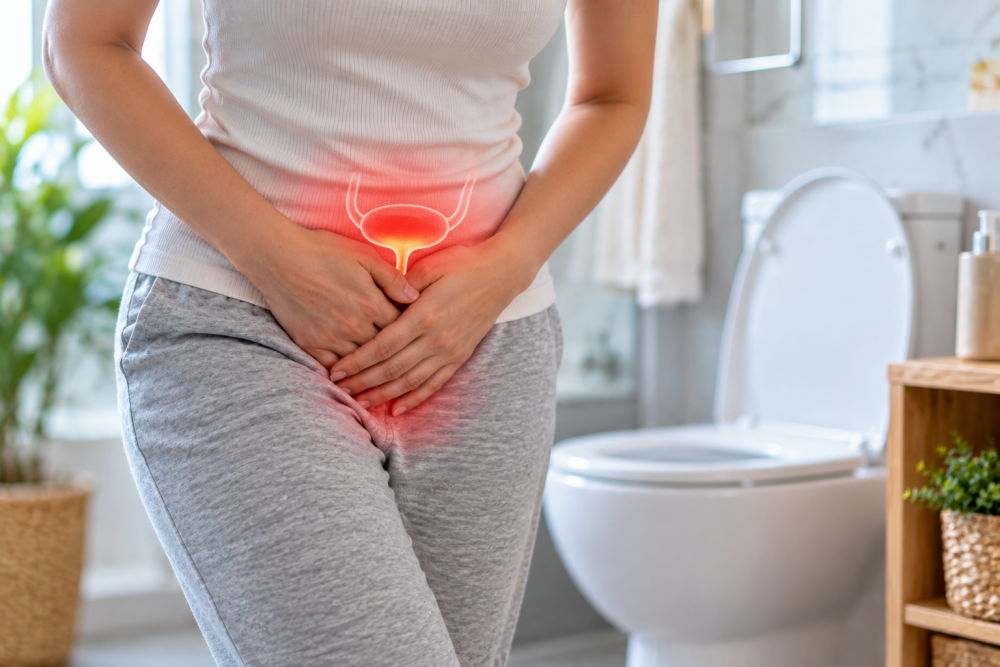
Pain after urinating usually comes from an irritated bladder or urethra, and the most common cause is a urinary tract infection (UTI), especially in women. Other frequent causes are sexually transmitted infections that inflame the urethra, interstitial cystitis (bladder pain syndrome), prostatitis in men, bladder or kidney stones, vaginal infections, and irritation from soaps or hygiene products. Mild discomfort after one day of little water often settles on its own, but pain that lasts more than a day or two, keeps coming back, or appears with fever, back pain, blood in the urine or unusual discharge needs a urine test and a doctor’s review.
It helps to notice exactly when and where it hurts. Burning while urine is flowing, an ache right after the bladder empties, and pressure that builds between trips to the bathroom often point in different directions. Below, you’ll find how to read those clues, the usual causes for women and men, what tests to expect, how it’s treated, and what you can safely do at home in the meantime.
Burning during vs. pain after urinating: why the timing matters
Burning that you feel while urine is passing usually comes from an inflamed urethra or irritated skin around the opening. Pain that shows up at the end of urination or just after it tends to come from the bladder itself: as the bladder contracts and empties, its irritated lining is squeezed, and the ache can linger for minutes. Many people with a bladder infection notice both.
| Where and when it hurts | What it often suggests |
|---|---|
| Low in the belly, strongest at the end of peeing | Bladder infection (cystitis), interstitial cystitis, bladder stone |
| Burning inside the urethra during the stream | Urethritis, often from a sexually transmitted infection; UTI |
| Stinging on the skin outside | Vaginal yeast infection, irritation from soaps, wipes or pads |
| Between the scrotum and anus, or with ejaculation (men) | Prostatitis |
| Side or back, with fever | Kidney infection, kidney stone — needs prompt care |
| Pressure that builds as the bladder fills and eases after | Interstitial cystitis (bladder pain syndrome) |
Common causes
Urinary tract infection
A UTI happens when bacteria, most often from the bowel, travel up the urethra into the bladder. Typical signs are an urgent, frequent need to pee, passing only small amounts, cloudy or strong-smelling urine, lower belly pain and burning. Women get UTIs far more often because their urethra is shorter. Sex, menopause, pregnancy, diabetes and holding urine for long periods raise the risk.
Urethritis and sexually transmitted infections
Chlamydia, gonorrhoea, trichomoniasis and Mycoplasma genitalium can inflame the urethra and cause pain or burning when you urinate, sometimes with discharge. They may also cause no symptoms at all. If you’ve had a new partner or unprotected sex, ask for STI testing, and remember that partners usually need treatment too.
Interstitial cystitis (bladder pain syndrome)
This long-term condition causes bladder pressure and pain that often builds as the bladder fills and eases briefly after emptying, along with frequent urination. Urine tests are typically normal. Symptoms can flare with certain foods and drinks, stress or menstruation, and management usually combines diet changes, pelvic floor physical therapy and medicines prescribed by a specialist.
Prostatitis
In men, inflammation or infection of the prostate can cause pain after urinating, pain in the perineum, lower back or testicles, painful ejaculation, and a weak or interrupted stream. Acute bacterial prostatitis often comes with fever and needs prompt antibiotics.
Bladder and kidney stones
A stone can irritate the bladder wall, causing pain at the end of urination, a stop-start stream and sometimes blood in the urine. Kidney stones that move down the ureter cause intense, wave-like pain in the side or groin.
Vaginal infections and skin irritation
Yeast infections, bacterial vaginosis and irritation from perfumed soaps, bubble baths, douches, wipes or tight synthetic underwear can make urine sting as it touches inflamed skin. After menopause, lower oestrogen levels can thin the tissues around the urethra and vagina, which makes stinging and frequent UTIs more likely.
Less common causes
- urethral stricture — narrowing of the urethra after injury or infection;
- enlarged prostate that keeps the bladder from emptying fully;
- pelvic floor muscle tension;
- some medicines and recreational drugs that irritate the bladder;
- rarely, bladder cancer — more often signalled by blood in the urine, especially in smokers and older adults.
Call a doctor today if
- you have a fever, chills, or pain in your back or side;
- you feel sick or are vomiting;
- you see blood in your urine;
- you are pregnant;
- you are a man with painful urination;
- symptoms are getting worse or haven’t improved after 1–2 days;
- you have diabetes, a weakened immune system or a urinary catheter.
Go to the emergency department if you can’t urinate at all, feel confused, or have severe pain with fever.
How doctors find the cause
- Urine dipstick test and urinalysis — looks for white blood cells, nitrites and blood.
- Urine culture — identifies the bacteria and which antibiotics will work.
- STI testing — usually a urine sample or swab.
- Pelvic or prostate examination when symptoms suggest it.
- Ultrasound or CT scan if stones, kidney infection or incomplete emptying are suspected.
- Cystoscopy — a camera look inside the bladder — for persistent symptoms or blood in the urine.
Treatment depends on the cause
| Cause | Usual treatment |
|---|---|
| Bladder infection | A short course of antibiotics prescribed by a clinician |
| Kidney infection | Longer antibiotic course, sometimes in hospital |
| Sexually transmitted infection | Specific antibiotics; partners tested and treated |
| Interstitial cystitis | Diet changes, pelvic floor therapy, bladder-specific medicines |
| Prostatitis | Antibiotics for bacterial forms; pain relief and pelvic floor therapy for chronic forms |
| Stones | Fluids and pain relief for small stones; procedures for larger ones |
| Skin irritation or vaginal infection | Stopping irritants; antifungal or antibiotic treatment when needed |
Finish any antibiotic course exactly as prescribed, even if you feel better after a day or two.
What you can do at home while you wait
- drink enough water to keep your urine pale yellow;
- avoid caffeine, alcohol, fizzy drinks and very spicy food for a few days;
- use a heating pad on your lower belly for comfort;
- take an over-the-counter pain reliever if it’s safe for you;
- ask a pharmacist about urinary pain relievers — they can ease burning for a short time but don’t treat the infection and can change urine colour;
- switch to unscented soap and cotton underwear.
Cranberry products and D-mannose are sometimes used to lower the chance of repeat UTIs, but they are not a treatment for an active infection.
Preventing pain after urinating
- don’t hold urine for long periods;
- urinate soon after sex;
- wipe from front to back;
- stay well hydrated, especially in hot weather;
- avoid scented products around the genitals;
- use condoms with new partners and get tested regularly;
- if you’re past menopause and get frequent UTIs, ask about local oestrogen treatment.
Pain low in the belly can have many sources. If your discomfort spreads beyond the bladder, our guides to sharp abdominal pain and stomach pain during pregnancy may help you decide what to do next.
Questions readers often ask
Why does it hurt after I pee?
The most common reason is a urinary tract infection, which irritates the bladder so the pain peaks as it empties. Other causes include urethritis from a sexually transmitted infection, interstitial cystitis, prostatitis in men, bladder stones, vaginal infections or irritation, and reactions to soaps or products. A urine test is usually the first step to find out which one it is.
Can dehydration make it hurt after urinating?
Yes. Concentrated urine can sting and irritate an already sensitive bladder or urethra. Drinking more water often eases mild discomfort, but if pain lasts more than a day or two, or comes with fever, blood or frequent urges, get checked for an infection.
Is pain after urinating always a UTI?
No. It is the most common cause, but a normal urine test with ongoing pain can point to a sexually transmitted infection, interstitial cystitis, pelvic floor muscle tension, prostatitis, stones or skin irritation. That is why doctors often test for infections and ask about sexual health, bowel habits and pelvic symptoms.
Can men get pain after urinating from a UTI?
Yes, although urinary infections are less common in men and more often linked to the prostate or another underlying issue. Men with painful urination should see a doctor rather than self-treat, because prostatitis and sexually transmitted infections need specific treatment.
When is pain after urinating an emergency?
Seek urgent care if pain comes with fever or chills, pain in your side or back, nausea or vomiting, visible blood clots, confusion, or if you cannot pass urine at all. These can signal a kidney infection, a blocked urinary tract or another condition that needs prompt treatment. During pregnancy, contact your provider as soon as symptoms start.
Sources
- NHS — Urinary tract infections
- CDC — Sexually transmitted infections
- Cleveland Clinic — Painful urination (dysuria) and prostatitis
- Mayo Clinic — Interstitial cystitis and bladder stones
This article is for general information and isn’t a substitute for medical advice. If you have painful urination, speak with a healthcare professional.